
Lagos Housing Crisis: Only 31% of Residents Own Homes as Rents Hit $19,379 Per Year
Lagos Housing Crisis Deepens: Just 31% of Residents Own Homes in 2026

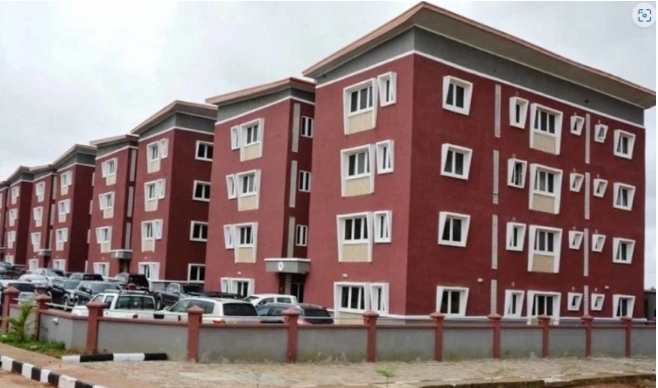
Lagos is facing one of its toughest housing challenges yet.
A new report by Fortren & Company reveals that only 31% of Lagos residents own their homes, while 51% live in rented apartments. The findings place Lagos among African cities with the lowest homeownership and highest rental costs.
The report, which analyzed housing trends across 10 major African cities, shows Lagos ranked 4th for expensive high-end rentals. The average annual rent for a 2-bedroom apartment in Lagos hit $19,379 in 2026.
Lagos Homeownership Rate Falls Behind Other African Cities
According to Fortren & Company, fewer than 1 in 3 Lagosians live in a home they built, bought, inherited or received as a gift.
For comparison:
– *Nairobi* leads with 61% homeownership
– *Dakar* sits at 50%
– *Addis Ababa* 33%
– *Kampala* 29%
– *Abidjan* lowest at 22%
In Lagos, rental housing has become the default for most residents.
Rents in Lagos Hit Record Highs
The cost of renting in Lagos is climbing fast, especially in premium areas.
High-end 2-bedroom apartments now average $19,379 per year. In Ikoyi, Victoria Island and Banana Island, luxury properties along Bourdillon, Gerrard and Alexandra roads go for up to $130,000 annually and are often priced in dollars.
But rent isn’t the only cost. Tenants also pay agency fees, legal fees, caution deposits, service charges and often 1-2 years rent upfront. This makes it harder for middle and low-income earners to access decent housing.
Construction Costs Driving Housing Prices Up
Developers are also under pressure.
– *Cement*: N7,000 – N12,500 per bag, up from N5,000 in 2023
– *Steel*: N1m – N1.5m per tonne
– *Building carcass*: N350,000 – N450,000 per sqm
Materials and labour now take 50% to 65% of project budgets. Land can take another 20%.
As a result, many developers are shrinking unit sizes, moving to cheaper areas, and phasing projects to stay profitable.
Lagos Housing Deficit Hits 3.4 Million Units
The problem is bigger than rent. Lagos has a housing deficit of 3.4 million units as of 2025* and needs 227,576 new homes every year.
Experts at the GTI Investment Group forum estimate Lagos needs N6 trillion annually to close the housing gap. Some residents now spend 60% to 70% of their income on rent, leaving little for food, health, education or savings.
What This Means for Investors and Policymakers
1. For Investors: High rental demand means opportunity in professionally managed rental housing near job centers and transport hubs.
2. For Developers: There’s a need to build across income segments, not just luxury estates.
3. For Government. The solution requires affordable housing, cheaper land, better infrastructure and accessible mortgage financing.
Prime land in Lagos now costs about *$1 million for 507 sqm*, making it one of Africa’s most expensive markets. Without intervention, affordability will keep declining.
Conclusion: Affordable Housing is the Key
With only 31% homeownership, high rents, and rising construction costs, Lagos urgently needs housing that people can actually afford.
Until there is long-term financing, land reform, and mass affordable housing delivery, the gap between landlords and tenants will keep widening.
The future of Lagos housing depends on making homes accessible, not just available.