
Inside Nigeria’s Q4 Property Rush: Why Everyone Wants to Buy Houses and Land Before December 31

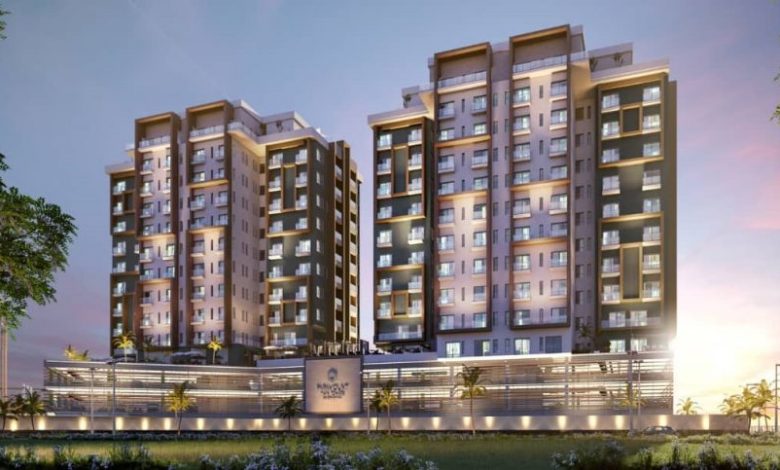
Every year from October to December, Nigeria’s property market becomes unusually busy. Estate agents in Lagos, Abuja and Port Harcourt report more inspections, more negotiations and more closings compared to earlier months.
So why does this happen? Four leading real estate professionals have given insight into what drives this annual rush.

Year-end money meets new-year pressure
According to Temidayo Ademosu who runs Arrowhead Homes and Properties in Lagos and Ogun, many Nigerians set a personal target to become landlords before the year ends. When Q4 arrives, they move from planning to buying so they can start the new year as property owners.
Mbetobong Udoh of Embee Properties in Abuja shares the same view. He said many salary earners and business owners save quietly from January to September. By October, they do a self assessment and realize they have not yet made a tangible investment. Property becomes the default choice to show results for the year.
Estate surveyor Ekemini Otong added that bonuses, business profits and accumulated savings give buyers more cash in hand at this period. Many also buy early to avoid predicted increases in land prices and building material costs in January.
Festive season Brings Diaspora Buyers
Temple Ugwu of Blumeen Partners in Port Harcourt noted that Q4 is not just about local buyers. Nigerians in the UK, US, Canada and other countries often return home for Christmas. While in Nigeria, many use the opportunity to inspect and pay for houses and lands. Others who cannot travel send funds to family members to close deals for them.
This diaspora inflow adds fresh dollars and pounds into the market and pushes competition for good locations.
Sellers are also under pressure
It is not only buyers who are in a hurry. Sellers and developers are also trying to meet year-end deadlines. Some want to complete building projects they started in Q2 and Q3 before December. Others need cash to sort out personal and business obligations before the new year.
That urgency can create two different outcomes. For hot properties in good estates with proper documents, sellers can increase prices because several buyers are fighting for the same property. A house first listed at N25 million can easily go for N30 million when demand spikes.
But for sellers who urgently need liquidity, Q4 becomes a time to accept price cuts. Otong explained that the main character of the Q4 market is urgency. A desperate seller who must sell before January is more likely to negotiate than one who can wait.
Which properties sell fastest in Q4
Experts agreed that finished houses and ready-to-move-in apartments move fastest in Q4. Most buyers do not want to start a construction project in December. They prefer a home they can move into immediately or rent out.
Residential homes for owner occupiers dominate Q4 sales. Land with genuine title also sells well among long term investors.
Why October and November matter more than December
The rush has a cutoff. Most serious transactions happen in October and November. A normal property transaction in Nigeria takes four to six weeks for search, verification, negotiation and documentation. Some complicated deals take up to eight weeks.
This means if a buyer wants to get keys before December 31, he must start early. By mid December, many lawyers, government offices and real estate companies start winding down. Travel and festive activities also slow down deals.
Expert warning for buyers
Despite the rush, buyers are advised not to skip due diligence. Otong warned that title verification, ownership confirmation, survey checks and outstanding charges must still be confirmed to avoid stories that touch.
The Q4 market offers opportunities for both buyers and sellers but timing is everything. Buyers who start early can get good deals, especially from sellers who need urgent cash. Those who wait till late December may miss the window and have to wait till the new year when prices may have increased due to rising construction and land costs.
– Nairametrics