
Lagos Mainland vs Island 2026: Rent, Buy or Invest Guide with Prices

Lagos Mainland vs Lagos Island: Where Should You Rent, Buy or Invest in 2026
If you just moved to Lagos, someone will tell you in week one: “Island or Mainland, pick your side.” It sounds like a football rivalry. But the truth in 2026 is more complex. Lagos is not two markets. It is one long price gradient.

A two bedroom flat in Gbagada goes for about ₦2.6 million per year. The same two bedroom flat in Ikoyi, just 12 kilometres away, goes for ₦15 million per year. At the same time, a landlord in Yaba often gets a higher percentage return than a landlord in Old Ikoyi, even though the Ikoyi property costs far more.
Whether you should live on the Mainland or the Island depends on three things: if you are renting, buying to live, or buying to invest.
Quick Answer
Rent on the Mainland if you want more space and lower cost. Rent or buy on the Island if your work, school or lifestyle truly requires it. For investment, Mainland areas like Yaba, Surulere and Gbagada give higher rental yields of 7 to 9 percent. Prime Island areas like Ikoyi and Banana Island give 3 to 5 percent, but land there appreciates faster. The right choice depends on your goal, not the reputation of the postcode.
What Island and Mainland Mean in Lagos
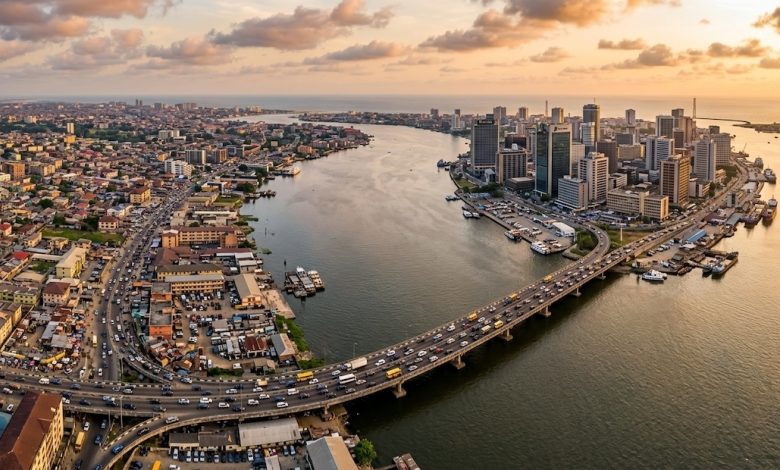
Lagos started on the islands in Lagos Lagoon. That includes Lagos Island, Ikoyi and Victoria Island. Over time the city expanded to the Mainland with areas like Yaba, Surulere, Ikeja, Gbagada, Maryland, Ogba and Alimosho.
The three bridges, Eko Bridge, Carter Bridge and Third Mainland Bridge, plus the Lekki-Ikoyi Link Bridge, connect both sides. But the gap in infrastructure, land title and price has grown in the last 10 years.
In daily use, “Island” means Lagos Island, Ikoyi, Victoria Island and Lekki up to Ajah and Ibeju-Lekki. “Mainland” covers everything west and north of the lagoon.
Rent Prices in 2026: Mainland vs Island
According to the Edala Development Lagos Residential Market Report 2025, rent varies widely by neighbourhood.
A two bedroom flat averages ₦2.6 million in Gbagada, ₦3 million in Yaba, ₦3.2 million in Ajah, ₦5.1 million in Lekki Phase 2 and ₦5.2 million in Ikeja. In premium areas, Victoria Island is around ₦12.5 million and Ikoyi is around ₦15 million for the same size.
Notice that Ajah and Lekki Phase 2 are in the same LGA as Ikoyi and VI, but rent closer to Ikeja prices. Location on the map does not equal price on a lease.
Citywide, average rent is about ₦5,500 per square metre per month. It ranges from ₦2,500 in Mainland value areas to ₦12,000 or more in Banana Island and Eko Atlantic. Island rents rose by an estimated 14 to 18 percent year on year into 2026, driven by office relocations to Lekki and limited land for new development.
Renting in 2026: Choose the Node, Not the Side
The old reason for paying Island rent was to avoid traffic. That reason is weaker now.
Lagos ranked highest in the 2026 Numbeo Traffic Index. The average one way trip takes 68.3 minutes. Living on the Island only helps if your job is also on the Island. A Lekki resident working in Ikeja can spend more time in traffic than a Gbagada resident working in Ikeja.
Rail is also changing the equation. The Blue Line from Marina to Mile 2 has moved over 8 million passengers. The extension to Okokomaiko is planned for Q1 2027. The Red Line from Agbado to Oyingbo is already running and has boosted demand in Yaba.
If you choose based on rail access instead of Island vs Mainland, some Mainland areas become more strategic. For families, estates like Magodo Phase 2 and Omole often give a calmer routine than a Lekki to Island commute.
Buying to Live: Lifestyle vs Affordability
When you buy, you are paying for land scarcity.
Lagos Realty data shows Island land prices from 2022 to 2026. Ikate rose from ₦385,000 to ₦955,000 per square metre. Lekki Phase 1 rose from ₦421,000 to ₦1.5 million. Victoria Island rose from ₦705,000 to ₦2.1 million. Ikoyi rose from ₦1.35 million to ₦2.45 million per square metre.
On the Mainland, you get more house for your money. Prime Island areas can exceed ₦1 million per square metre. Emerging Mainland corridors range from ₦50,000 to ₦300,000. The Agege to Oshodi corridor along the Red Line is one to watch.
Be careful with the Fourth Mainland Bridge. It is meant to link Ajah to Ikorodu but there has been no construction progress as of Q2 2026. Do not buy based on that promise yet. The Blue and Red Line rail projects are actively funded and under construction.
If lifestyle matters most, the Island still leads on international schools, 24 hour power in estates, waterfront living and proximity to work and social hubs.
Investing: Yield vs Appreciation
This is where the Island is not always better.
Gross rental yield is annual rent divided by purchase price. Mainland areas like Yaba, Maryland and Gbagada typically deliver 7 to 9 percent yield because of tech workers and rail access. Ultra prime Island areas like Old Ikoyi and Banana Island often fall below 5 percent because prices are high but rents have not caught up.
For capital appreciation, the Island wins. Luxury apartments in Ikoyi are often priced in dollars to protect against naira depreciation. The Lekki Free Trade Zone is another driver. The Dangote Refinery and Lekki Deep Sea Port are bringing industrial activity. Land near the zone is already rising in price.
If you need financing, NHF FMBN loans at 6 to 7 percent are far cheaper than commercial bank mortgages at 20 to 28 percent. Always do title checks before buying on either side.
Flood Risk: It Affects Both Sides
The 2026 Nigeria Hydrological Services Agency Flood Outlook shows risk on both sides. Mainland areas like Surulere and Mushin have flash floods from poor drainage. Parts of Lagos Island and Lekki flood from rainfall and lagoon overflow.
Flood risk can change from one street to another. Ikeja GRA has good elevation and drainage. Interior Ikoyi is safer than waterfront Ikoyi. Always visit a property after rain before renting or buying.
Which Area Fits Your Goal
Renting on a budget: Gbagada, Yaba, Ikeja. Two bedroom rent is ₦2.6M to ₦5.2M per year. Rail access is improving.
Renting for Island work or school: Lekki Phase 1, Ajah, interior Ikoyi. Lower than VI or Old Ikoyi but still convenient.
Buying for family: Magodo Phase 2, Omole, Ikeja GRA. Lower entry price, good schools and healthcare.
Buying for lifestyle: Ikoyi, Victoria Island, Lekki Phase 1. More amenities but much higher cost.
Investing for rental income: Yaba, Surulere, Gbagada. 7 to 9 percent gross yield.
Investing for capital growth: Ikoyi, Banana Island, VI. Lower yield but faster price appreciation.
Common Mistakes to Avoid
1. Assuming the whole Island has the same price. Ajah and Lekki Phase 2 are closer to Mainland prices.
2. Ignoring rail access when planning your commute.
3. Buying based on the unbuilt Fourth Mainland Bridge.
4. Thinking high rent means high yield. They move in opposite directions in luxury areas.
5. Skipping flood checks at the street level.
Frequently Asked Questions
Is it cheaper to rent on the Mainland than the Island? Yes. A two bedroom on the Mainland averages ₦2.6M to ₦5.2M per year. On the Island in VI and Ikoyi it averages ₦12.5M to ₦15M.
Which area gives better rental yield? The Mainland. Yaba, Maryland and Gbagada average 7 to 9 percent. Prime Island areas average below 5 percent.
Is the Island a better investment? It depends. The Island has faster price appreciation. The Mainland has better rental income.
Does living on the Island mean a shorter commute? Not always. Commute time depends on your exact route and rail access. Lagos has the longest commute times in the world as of 2026.
Is flooding worse on the Island or Mainland? Neither. Risk depends on the street, elevation and drainage. Both sides have flood prone areas.
What should a first time buyer choose? Most first time buyers get more value on the Mainland. Choose the Island only if your work, school or lifestyle requires it, or if you want long term capital preservation.
Final Thought
The Island vs Mainland debate is too simple for 2026 Lagos. The market is shaped by rail access, flood risk, land scarcity and title. Match your choice to your goal, whether it is low rent, family life, rental yield or capital growth.
For more guides on mortgages, legal due diligence and neighbourhood reviews, visit NaijaProperty.
Source: Naija Property