
FCCPC Opens Investigation Into Cement Pricing As 50kg Bag Reaches ₦15,000 | Prestige Real Estate News

The Federal Competition and Consumer Protection Commission has commenced a formal investigation into alleged price manipulation and anti-competitive practices in Nigeria’s cement industry, following a three-month market study that flagged an abrupt increase in retail prices.
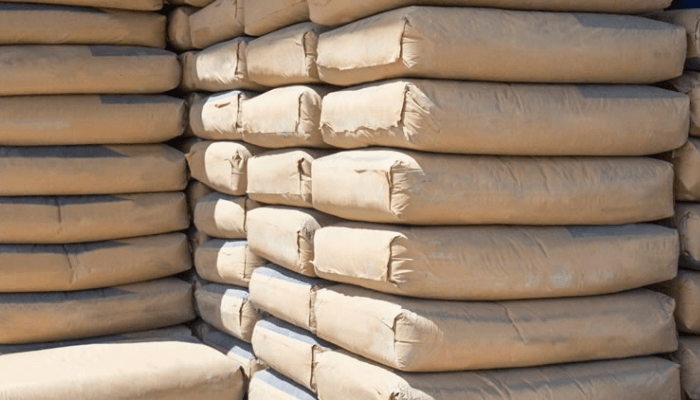
According to the commission, the price of a 50kg bag of cement rose from between ₦9,300 and ₦9,700 in January 2026 to as much as ₦15,000 in parts of the country by July. The increase comes despite Nigeria’s abundant limestone reserves and installed production capacity that far exceeds domestic demand.

The FCCPC said its Anticompetitive Practices Department undertook a cross-border review of cement markets in Kenya, Tanzania, South Africa, Egypt, Morocco, Algeria and Nigeria. Preliminary findings, the commission stated, provided sufficient grounds to examine whether current prices reflect legitimate production costs or the result of coordinated conduct.
“Nigeria has installed cement production capacity of between 60 million and 65 million metric tonnes annually, while estimated domestic consumption is about 25 million to 30 million metric tonnes,” the commission said. It added that excess capacity would ordinarily exert downward pressure on prices in a competitive market.
Market data reviewed by the FCCPC showed a 50kg bag sold for between ₦10,500 and ₦13,000 by mid-year, before climbing to between ₦13,000 and ₦15,000 in July in some locations.
In its comparative analysis, the commission cited lower retail prices elsewhere in Africa. A 50kg bag was about $5.40, or ₦7,344, in Kenya; $4.80, or ₦6,528, in Tanzania; and $6.75, or ₦9,180, in Togo, a country without limestone deposits.
Industry operators have attributed rising costs to energy expenses, naira depreciation affecting imported machinery and spare parts, and higher logistics costs. The FCCPC said it is testing those claims against verified data on production costs, pricing methods, capacity utilisation and market conditions.
The commission has issued Notices of Commencement of Investigation and summonses to major cement producers. The companies have been asked to provide records relating to pricing methodologies, output levels, exports and commercial relationships. The FCCPC noted that three firms account for more than 90 percent of Nigeria’s installed cement capacity.
The probe carries significant implications for housing and infrastructure delivery. Cement is a primary input for residential construction, and sustained price increases can raise home costs, delay projects and undermine affordable housing programmes. The cost of public works, including roads and drainage, is also affected.
The FCCPC stressed that the investigation is focused on market conduct, not price fixing. “The objective is to determine whether the cement market is functioning competitively and whether consumers are receiving the benefits expected from effective competition,” the commission said.
No final determination has been made against any manufacturer. The commission said further findings will determine whether prevailing prices are driven by genuine cost pressures or by practices that restrict competition.
Developers, policymakers and homebuyers are expected to monitor the outcome closely, as any regulatory action could reshape pricing and distribution in one of Nigeria’s most critical building materials sectors.