
Kano Plans New Agency to Control Rising Rents and Regulate Property Market

Kano Plans New Agency to Control Rising Rents and Regulate Property Market
Kano State is preparing to take a major step in its housing sector with a plan to set up a dedicated Real Estate Regulatory Agency.

The proposed agency is expected to check excessive rent charges, monitor activities in the property market, and bring order to a sector that many tenants say has become difficult to cope with.
The plan was disclosed by the Kano State Commissioner for Housing Development, Alhaji Ibrahim Yakubu-Adamu, after defending the ministry’s proposed 2027 budget before a committee of the Kano State House of Assembly.
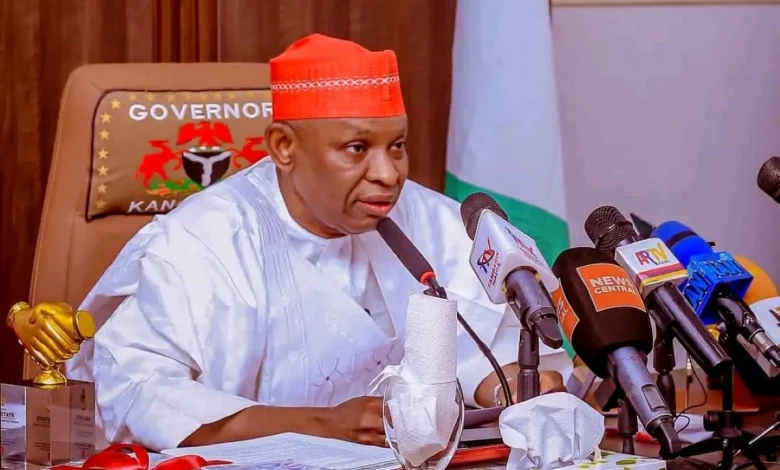
According to the commissioner, the ministry has already sent a memo to Governor Abba Kabir-Yusuf seeking approval for the new agency. The approval is still being awaited.
Kano Seeks Governor Approval for Real Estate Regulatory Agency
The proposed agency will operate under the Ministry of Housing Development if approved.
Yakubu-Adamu said the ministry is hopeful that the governor will give approval soon, noting that the agency is needed to provide regulatory oversight and address market excesses.
The commissioner explained that the regulator would monitor activities in the property market and address practices contributing to high rental costs in the state.
He also revealed that discussions are ongoing at the national level for a similar institution. About two weeks earlier, the National Assembly, through the office of the Speaker and the Chairman of the House Committee on Housing and Habitat, Abdulmumini Jibril-Kofa, invited stakeholders to discuss a proposed bill for a National Agency on Real Estate.
Enugu Moves to Cap Rent Increases at 2 Percent
Kano is not alone in moving to protect tenants.
In Enugu State, the House of Assembly on November 18, 2026, passed a bill seeking to restrict landlords to a maximum rent increase of 2 percent every four years, subject to specified exceptions.
The bill, sponsored by Hon. Okey Mbah, representing Nkanu East Constituency, also seeks to regulate agency, legal and caution fees.
Under the proposal, agency fees would be limited to 5 percent of annual rent, while legal and caution fees would each be capped at 10 percent. It also provides for the refund of caution fees after assessment of the property’s fittings and fixtures.
The bill is now awaiting Governor Peter Mbah’s assent before it becomes law.
While Enugu is focusing on setting limits on rent increases and charges, Kano is taking a different approach by seeking to establish a full agency to oversee activities across its real estate sector.
Why Rents Keep Rising Across Nigeria
Rising rental costs across Nigeria have been linked to several factors, including high construction costs, inflation, currency depreciation, and limited housing supply.
Higher prices of building materials and other construction expenses have increased property development costs. Many landlords pass part of those extra costs to tenants through higher rents.
Currency depreciation has also added pressure, particularly among landlords who measure rental returns in foreign currency. As the value of the naira falls, the foreign-currency value of rental income drops, prompting some property owners to increase rents to preserve returns.
Another major factor is the preference of many property developers for the build-to-sell model rather than rental housing, despite strong demand for rented accommodation.
Developers favour outright sales because of high financing costs and shorter investment recovery periods. A Fortren and Company report found that rental developments take between eight and 15 years to recover their costs, compared with the 12 to 36 months lenders and investors typically expect for repayment after project completion.
This limits the supply of new rental properties and puts further pressure on rents, particularly in urban centres like Kano, Lagos, Abuja, Port Harcourt and Enugu.
What This Means for Tenants and Landlords in Kano
If approved, the Kano Real Estate Regulatory Agency could change how rents are charged and how property transactions are handled in the state.
For tenants, it could mean more protection against sudden and excessive rent increases and clearer rules on agency and other charges.
For landlords and agents, it could mean more compliance requirements, registration, and oversight of their operations.
For investors and developers, it could bring more structure and transparency to the Kano property market, which may encourage long-term investment.
For now, all eyes are on Governor Kabir-Yusuf and the Kano State House of Assembly as the proposal moves through the approval process.